

Authored by Marcela Magda Popa
Marcela Magda Popa and Bill Ringle discuss the principles behind the supposedly inactive and inert ingredients that can interfere with your health and well-being for small business leaders to make more informed choices for yourself, your staff, and your family.
Interview Insights
Top 3 Takeaways from this Interview
- We should do our due diligence to eliminate the exposure to potentially unhealthy substances the best we can.
- Eliminating these GRAS chemicals as much as possible, although not easy at times, produced a steady improvement of the symptoms, while inadvertent or overlooked exposure triggered worsening symptoms, time and time again.
- Multiple synthetic ingredients included in everyday products that can have longterm negative consequences for our health.
Show Notes
- Marcela shares how the Romanian author Nicolae Steinhardt inspired her to live a life with more purpose, kindness, and gratitude. [2:09]
- Do you remember a time when you had a choice as to how to respond and you were reminded in terms of some of these lessons? [3:47]
- How Marcela decided to be a physician. [4:20]
- A typical day when practicing as a physician. [07:20]
- Take us back to the moment that moment of insight when you made that connection that it was the fact that the prescriptions given to you do not work for your body the way they were intended. [08:24]
- How she got started realizing the inactive ingredients actually caused negative reactions [11:02]
- My Quest for the Best Lightning Round [27:11]
Subscriber-only resources
Get Subscriber-only Resources
Don’t miss out — subscribe now to get bonus materials, practical takeaways, useful links and more.
Useful extras for subscribers. No promotional fluff. Unsubscribe anytime.
Expert Bio
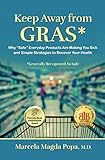
Being a physician affected by certain medical conditions made her notice unusual facts, put questions in her mind, and compelled her to look for answers. As she stopped practicing medicine, she began to analyze and research her suspicion that certain chemicals present in every day products were worsening her arthritis symptoms. Low dose exposure to certain other chemicals, also present in commonly used products may have been the culprit in her worsening migraine headaches and even the more bothersome, recurrent breast abnormalities.
Dr. Popa noticed improvements by taking a different approach and looked at these diseases from a different perspective. When she eliminated the chemicals from her body, her symptoms were alleviated.
Through her experience, she figured out these “generally recognized as safe”—(GRAS) substances are not necessarily safe, inert, or inactive and our chronic but constant exposure, even at low doses, can have an as yet unidentified or not fully accepted impact on our health. She is documenting these observations in her book and sharing them with other patients who may struggle with similar conditions.
Although the findings are derived from medical research articles, there doesn’t seem to be a large enough “body of evidence” at the present time for the regulating agencies to ban or reinforce strict limits in the United States as they do in the European Union, Canada, Japan, or Australia.
So, Dr. Popa is doing all she can to heighten consumer awareness of what hidden dangers may be sitting on their bathroom shelves, pantries, laundry room, in their foods and even in their medications.

Contact Info for Marcela Popa
Web address: https://marcelamagdapopamd.com/
Travels from: Fort Lee, New Jersey
Social Media Links:
Resources Mentioned During the Interview
The “inactive” ingredients that top the list to avoid are:
- polyethyleneglycols, often listed as PEG- some number, such as PEG-20 stearate, PEG-6 avocado oil, and so on.
- polysorbates of any kind (20, 40, 60, 80, and so on)
- nonylphenol ethoxylates including nonoxynol-9
- phenoxyethanol
- poloxamer
- propylene glycol
Recommended Apps
- Healthy Living app from EWG
- Think Dirty app from Lily Tse’s company, which helps find alternative, healthier products
Enjoying the podcast? A quick ⭐⭐⭐⭐⭐ review on Apple Podcasts makes a real difference — thank you!